Overview: What makes an organic mattress truly organic?
In the modern bedroom, the mattress is not merely a resting platform; it is a primary interface with health, hygiene, and comfort. The most credible organic mattresses are distinguished not by marketing claims but by transparent materials, third‑party certifications, and sleep-supportive design. Naturepedic, Savvy Rest, and Casper each approach the problem from distinct angles, yet all align with a broader goal: to minimize off-gassing, promote air circulation, and support restful sleep across diverse sleep positions.
The central questions when evaluating these brands revolve around three axes: materials and certifications (organic vs. conventional, latex vs. foam, and what is inside the comfort layers),睡眠-health oriented design (surface feel, temperature regulation, zoned support), and longevity plus durability (how the mattress holds up with daily use, washing, and ownership over time). Across these dimensions, readers should look for independent sealings from bodies such as GOTS, GOLS, CertiPur, and others that attest to content and lifecycle integrity.
Brand Comparisons: Naturepedic, Savvy Rest, Casper
Naturepedic positions itself as a pioneer in organic, non-toxic sleep surfaces. Its offerings often feature organic cotton fabrics, non-GMO inner materials, and a focus on minimal off-gassing. The company emphasizes independently verified certifications that address chemical exposure and environmental impact. Savvy Rest centers on natural latex and natural Dunlop/Soil-based foams with a cottage‑industry ethos—balanced by a traceable supply chain and a philosophy of customization. Casper, widely known for its universally approachable feel, blends foam technologies with a modern design aesthetic aimed at broad comfort, sometimes leveraging plant-based and bio-based foams in select models.
When you compare these brands, the conversation moves beyond “which one is better” to “which one better matches your priorities.” If your priority is a highly organic interior experience with explicit certifications and a minimalist footprint, Naturepedic typically leads. If you want a more customizable, latex-forward experience with tailored firmness zones and transparency about materials, Savvy Rest offers a compelling path. If your goal is quick, universally comfortable pressure relief with straightforward shopping and robust support across body types, Casper presents a strong, accessible option.
Materials, Certifications, and the Breath of Sleep
The heart of any organic mattress is its core materials. Naturepedic often relies on organic cotton covers and organic-latex layering orını combinations that minimize petrochemical foams. Latex, where used, is typically derived from Hevea brasiliensis (natural rubber) and processed to reduce irritants, with a focus on GOTS-certified textiles and other third‑party validations.
Savvy Rest builds around natural latex cores, often layering Dunlop or Talalay latex with organic wool or cotton comfort layers. This approach emphasizes durability, resilience, and a responsive surface that adapts to a sleeper’s weight and position. Casper’s approach historically has centered on foam‑based architectures with a balance of support and contouring, gradually incorporating more eco-conscious materials and production practices in response to consumer demand for cleaner sleep surfaces.
Fit, Firmness, and Sleep Position
Firmness and height affect how your spine aligns during sleep. Side sleepers usually benefit from a softer top layer that protects shoulders and hips, while back and stomach sleepers might require different balance points between contouring and support. Latex tends to maintain resilience longer, with zoned variants offering more targeted alignment for heavier parts of the body. Foam-heavy constructions, like some Casper models, can offer consistent contouring but may experience deeper compression for heavier individuals over time.
Consumers should consider personal factors such as weight, typical sleeping position, and any allergy concerns when evaluating these brands. For example, latex allergy is a crucial factor to verify, as latex-containing mattresses may not be suitable for sensitive sleepers. Certification labels also help illuminate what is inside the mattress and how it was produced.
Off-Gassing and Air Quality
Off-gassing is a practical concern for many sleepers. Brands with genuine organic materials and certified foams tend to exhibit lower emissions, but the degree of off-gassing varies by product and manufacturing process. Naturepedic has long marketed its low‑VOC approach and attention to chemical-free materials. Savvy Rest emphasizes natural latex and wool, which contribute to a breathable sleep environment. Casper’s foam-based products have historically carried mixed reviews regarding initial odors, though many brands mitigate this with off-gassing testing and user education.
Allergy Considerations and Hygiene
For sleepers with allergies or sensitivities, the choice often hinges on the fabric and the core materials. Organic cotton covers, latex that is processed to minimize irritants, and wool in core or layering can contribute to a cleaner sleep surface. All three brands address hygiene in different ways: Naturepedic emphasizes non-toxic materials; Savvy Rest highlights natural latex and wool layers; Casper emphasizes a simplified, clean-composition approach. Regular care, including mattress protectors and washable covers, remains essential across brands.
Practical Guidance for Readers
To navigate an effective decision, consider these steps:
- Clarify your organic criteria: Are you seeking GOTS-certified textiles, organic latex, or natural wool? Identify the non-negotiables that define your sleep environment.
- Assess firmness and height: If you share a bed, discuss with a partner the range of comfort you both require and whether a split firmness or modular layers could help.
- Investigate certifications: Look beyond brand names to third-party verifications such as GOTS, GOLS, Oeko-Tex, and CertiPur for foams. These signals indicate attention to chemical safety and material provenance.
- Environment and maintenance: Consider who will clean the bed, how often, and the practicality of adding a washable cover or protector.
Historical Voices: Three Key Figures in Sleep and Material Philosophy
Throughout history, the concept of restful sleep and material quality has been shaped by diverse minds. Here are three figures from distinct time periods who illuminate the conversation about sleep, comfort, and the built environment.
3rd Century BCE: Archytas of Tarentum
Archytas, a philosopher and mathematician of ancient Greece, promoted order, discipline, and systematic thinking about daily life. While not a sleep scientist, his emphasis on balance and proportion resonates in modern design principles—crafting sleep spaces that reduce cognitive load and support restorative routines through clean, ordered environments.
18th–19th Century: Florence Nightingale
Nightingale, a pioneering nurse and thinker, championed hygiene, clean environments, and the role of environment in health outcomes. Her insistence on cleanliness and order in personal spaces foreshadows contemporary sleep hygiene practices: tidy rooms, fresh air, humidity control, and mindful lighting as non-pharmacological contributors to better sleep.
20th Century: Charles and Ray Eames
The designers behind modernist comfort, including ergonomic seating and well-considered materials, remind us that ergonomics and aesthetics can converge to improve daily life. Their approach underscores the value of thoughtful design in a bedroom—calm lines, breathable materials, and a balanced tactile experience that supports sleep health.
Featured Product: Vergennes Platform Bed
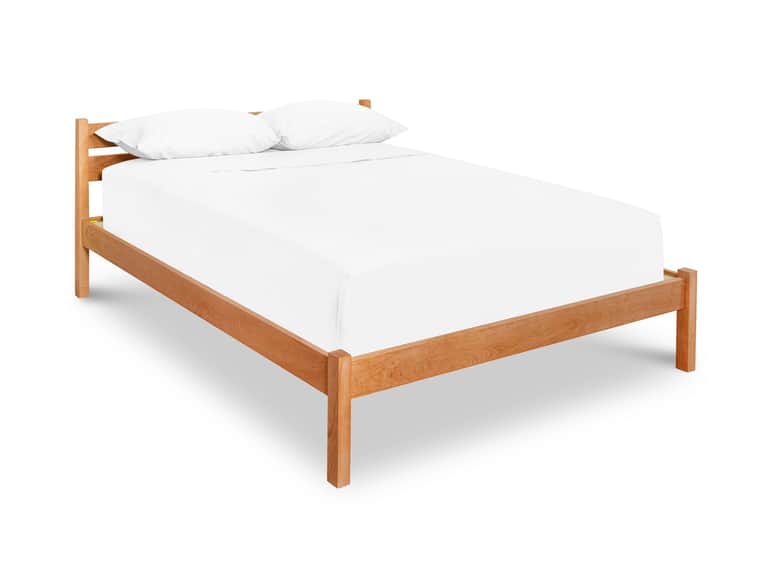
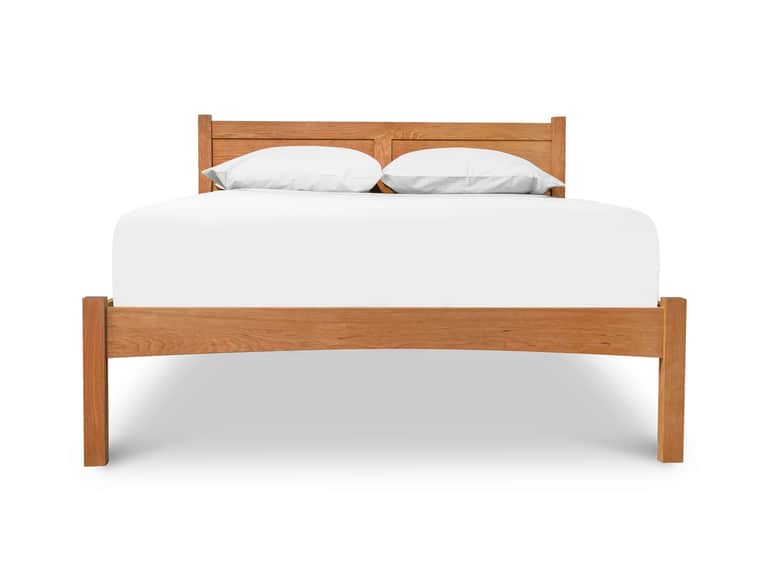
The Vergennes Platform Bed, crafted in Vermont from solid Vermont hardwoods, embodies the essence of clean, durable design. Its natural hand‑rubbed oil finish highlights the wood grain while remaining composed enough for a serene sleep space. Built to order, this bed aligns with the non-commercial, sleep-health oriented ethos of a thoughtful bedroom environment.
Originating in a small‑scale production ecosystem, the Vergennes bed offers a tactile connection to the room—an anchor of quiet luxury that supports a minimal, organized sleep sanctuary.
Product image available on request
Brand: Vermont Furniture Designs
Material: Solid Vermont hardwoods
Finish: Hand-rubbed oil